What we Do
If a friend, loved one, work colleague or a member of the public, stopped breathing, or collapsed in front of you, would you know how to help them? If someone was choking, having a cardiac arrest, heart attack, or stroke, what would you do?
In this CFR ( Cardiac First Responder ) PHECC approved course you will learn how to manage all these life threatening emergencies.
"Providing you with life saving skills so you can respond to medical emergencies"
Course Fee
The CFR public course fee is €115 per person which includes PHECC (Pre Hospital Emergency Care Council) Certification valid for two years. Bookings require a €50 deposit deducted from course fee.
Course Content:
- •CPR (cardiopulmonary resuscitation) adults, children and infants.
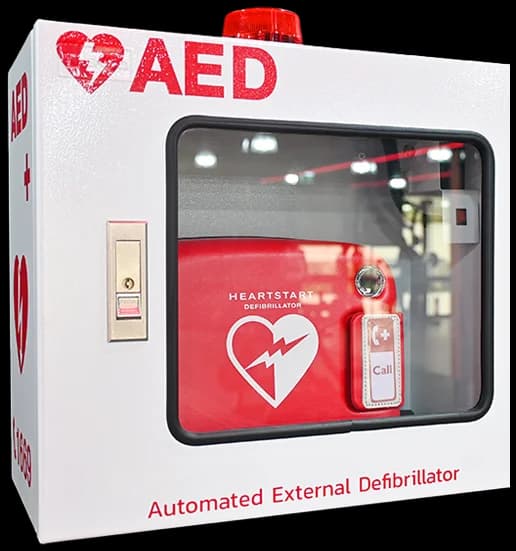
- •AED (Automated external defibrillator )
- •Heart Attack v Cardiac Arrest
- •Administration of Aspirin
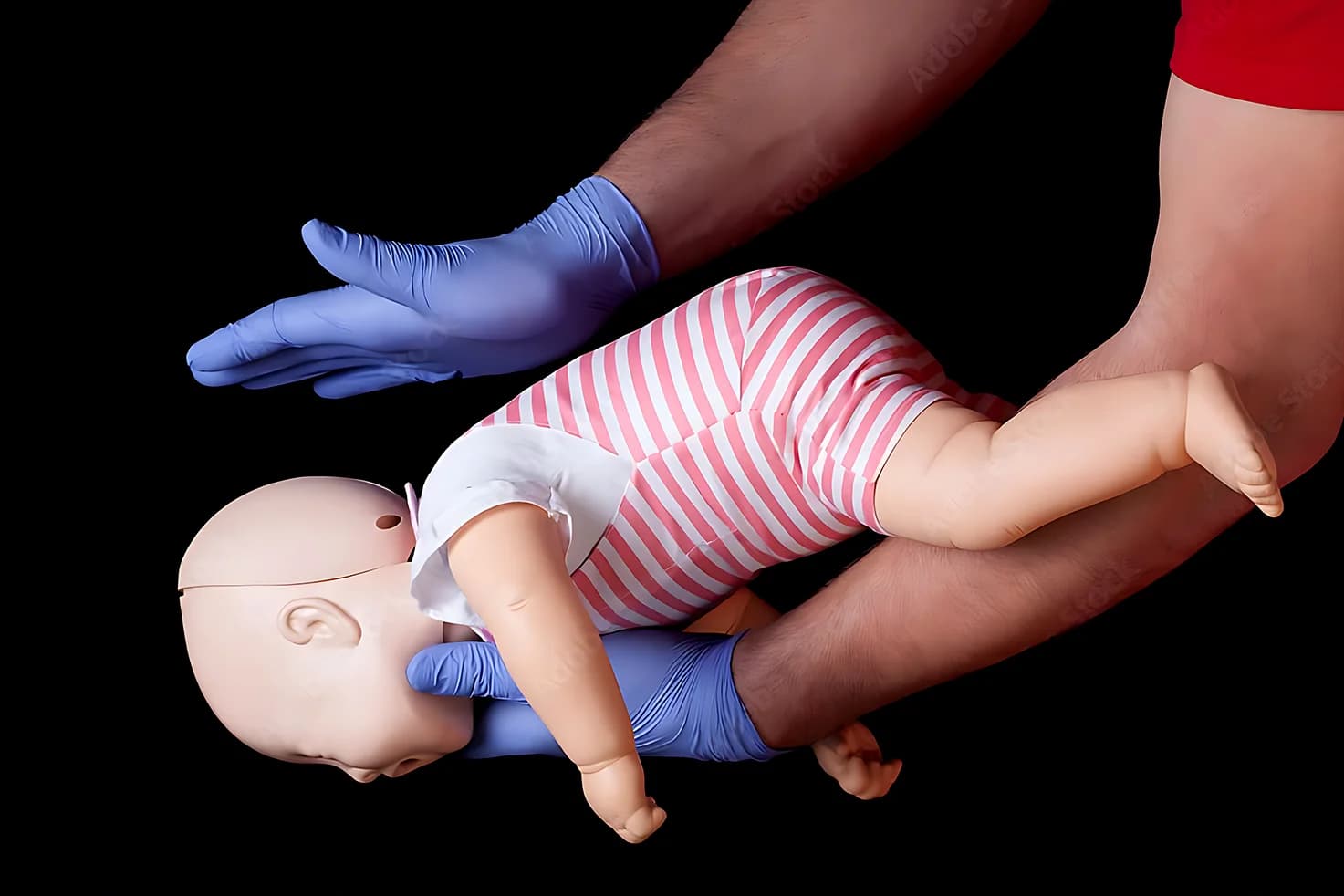
- •Choking: Adults, children and Infants
- •Stroke management.
- •Recovery position.
Course Details:
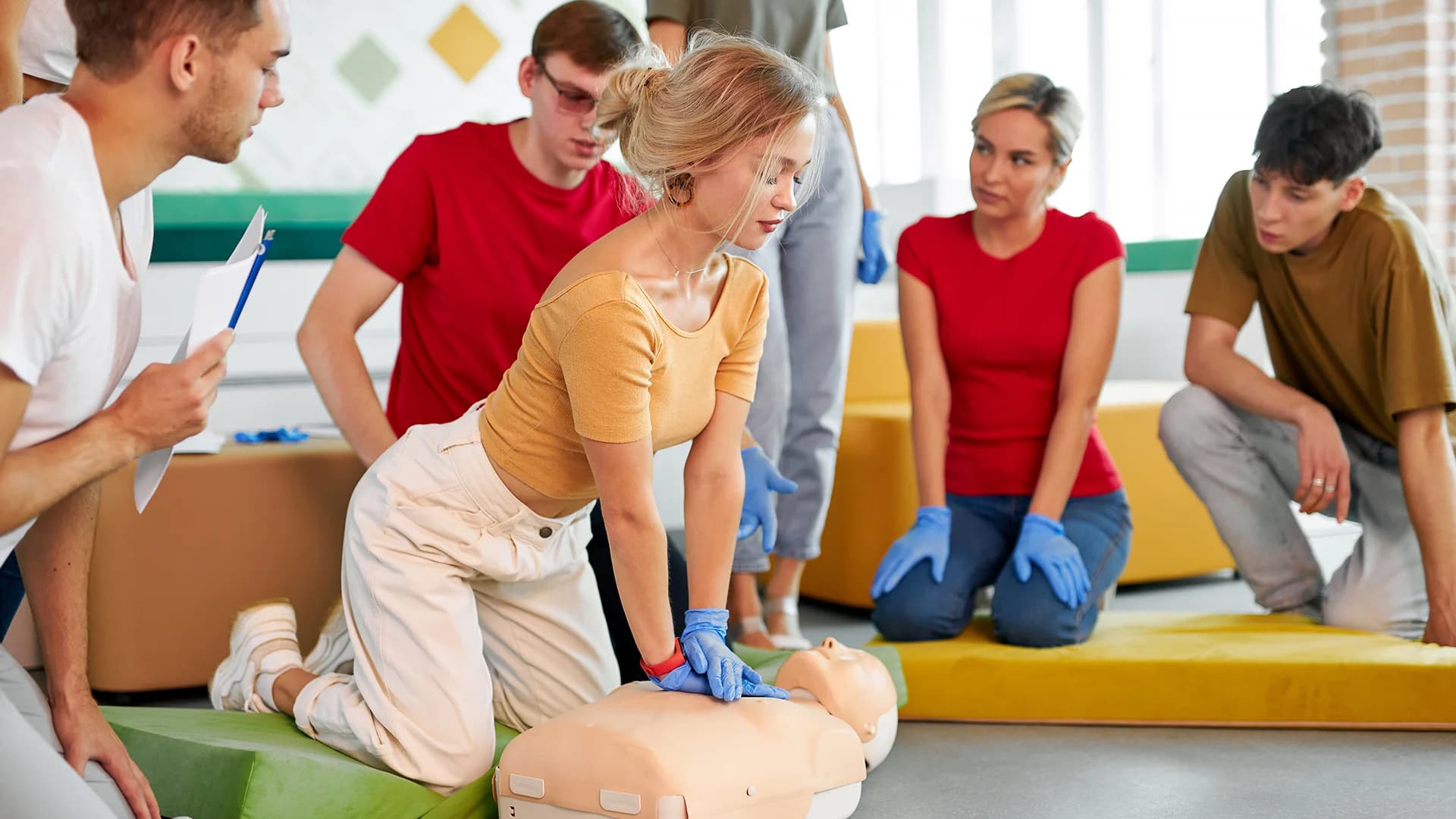
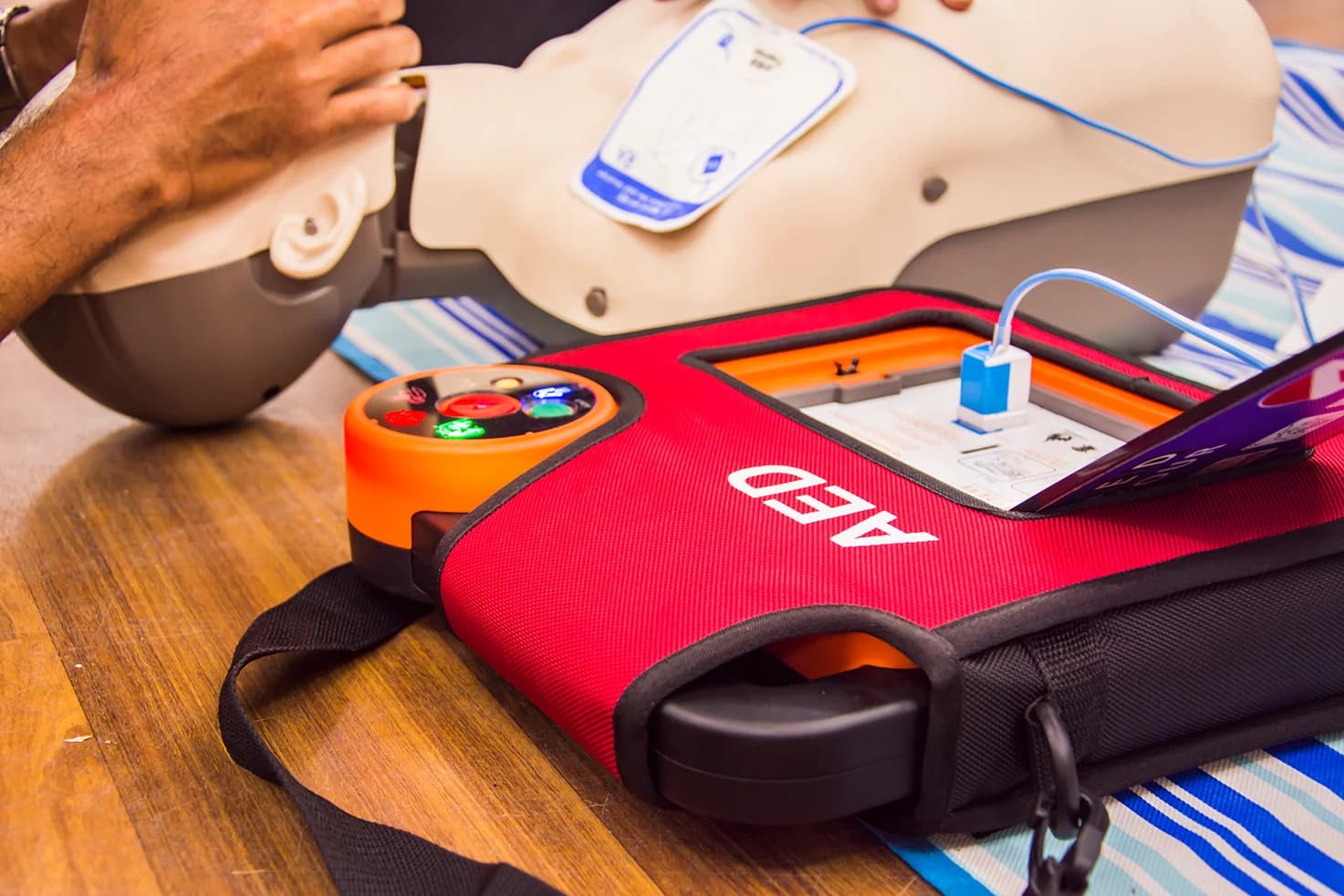
The Cardiac first responder course is approx 3.5 hours long. The course is instructor and video led, it is very interactive and engaging . Students will get lots of practical work using our training manikins and Automated External Defibrillators. Classes are very small max six people ensuring you get the highest level of supervised training at all times.
Certificate Renewal
All Pre-Hospital Emergency Care Council (PHECC) Cardiac First Responder (CFR) certificates are valid for two years. If your CFR certificate has expired or is due for renewal, you must complete a refresher course to remain certified.
Private Courses
Would you like to arrange a private Cardiac First Response course for your workplace, family, friends, or colleagues? I offer private training for groups of up to 8 people at my Dundrum training venue, with flexible dates and times to suit your schedule. The fee is €600 per private group of up to 8 people, regardless of the number of participants attending. Certification is optional and costs an additional €15 per person. This is a half-day (4 hour) Cardiac First Response Course.
What Our Students Say
“Very informative, easy to process, Cathy is well trained and very professional”
“Excellent course - by far the best I've done!”
“Cathy is a clear and excellent instructor - Great session”
“Highly enjoyable course, very clear content, videos very enjoyable, suitable amount of practical content. Would highly recommend”
“Cathy was fantastic - very clear and extremely knowledgeable”
“Very clear, concise: Instruction was informative & excellent. I was rusty and am delighted with the class”
“I'm so glad I attended your class. So informative. You're a wonderful teacher..clear, encouraging and inspiring. Thank you”
“Very comprehensive and beautifully delivered by Cathy”
“Cathy is a brilliant teacher. Feel very confident after training and completing the course. Highly recommend the training”
“Excellent teacher - will be telling others to do this life-saving course”
“I thought Cathy was a very clear instructor. I especially benefited from the CPR instruction and video”
“Cathy was brilliant at delivering the course. I cannot believe how much we all learned in 4 hrs. I feel confident to be thrown into a situation + wish to respond to the best of my ability. I am going to highly recommend the course. Every business needs to train their team. Thank you!”
Philosophy
Our aim is to create a very relaxed environment, so you have the most enjoyable experience while learning these very important life saving skills. We give our total commitment to delivering you the best training, so when you finish the course you will have confidence in your ability to save a life!
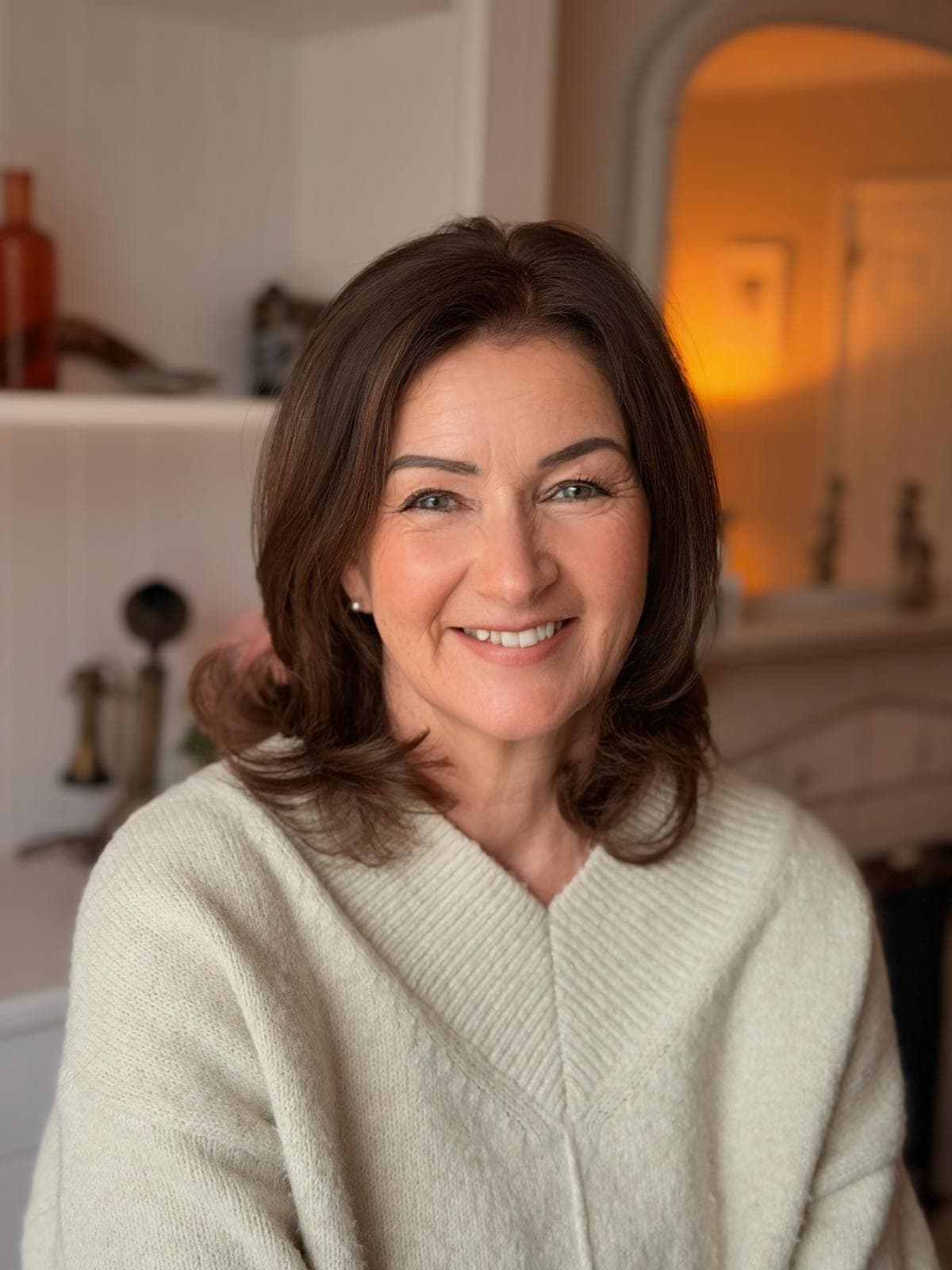
Meet Your Instructor
Cathy Vard
Cathy is a certified First Aid Instructor dedicated to providing high-quality, life-saving training. With extensive experience in emergency care education, she brings both professionalism and a genuine passion for empowering others with essential first aid skills.
As a PHECC (Pre-Hospital Emergency Care Council) certified instructor, Cathy ensures that every student receives comprehensive, up-to-date training in Cardiac First Response. Her teaching approach is interactive, engaging, and focused on building confidence so you can act decisively in an emergency.
With small class sizes limited to just six people, Cathy provides personalized attention and hands-on practice, ensuring every participant masters the critical skills needed to save a life.

Course Location:
Courses are run in the Dundrum Town Centre, (Shopping Centre) Unit CSA 2.5, Building 9, Sandyford Rd, Dundrum, Dublin, D16 H7E2.
Dundrum is accessible via luas green line or Dublin bus.
Routes: (44, 44B, 14, 750)
Frequently Asked Questions
The purpose of CPR (cardiopulmonary resuscitation) is to keep blood and oxygen moving around the body when the heart has stopped beating. When someone is in cardiac arrest, their heart is no longer pumping blood. By pushing hard and fast on the chest, CPR manually pumps blood to vital organs especially the brain helping to keep them alive until the heart can be restarted with a defibrillator or emergency medical care arrives.
Yes. Compression-only CPR can be very effective in the first few minutes of a witnessed cardiac arrest. Chest compressions help circulate the oxygen that is already in the blood, especially to the brain and heart. If you are unable or unwilling to give rescue breaths, doing continuous chest compressions is far better than doing nothing. Rescue breaths should be added as soon as a barrier device is available or trained help arrives.
A person in cardiac arrest is unresponsive and not breathing because their heart has stopped. Without help, they will not survive. This means you cannot harm them by starting CPR or using a defibrillator, but you can save their life. Fear of "doing something wrong" should never stop you from acting.
Brain damage can begin within 4 minutes of cardiac arrest. Every minute without CPR or defibrillation greatly increases the risk of permanent brain injury, which is why immediate action is critical.
Yes. Anyone can use an AED. Defibrillators are designed to be used by members of the public with no medical training. They are safe, automated devices that give clear voice and visual instructions. You simply turn the AED on and follow the prompts. The device will only deliver a shock if it is needed, so you cannot accidentally harm the person. Training is helpful, but you do not need it to use an AED and save a life.
Agonal breathing is abnormal, distressed breathing that can occur during cardiac arrest. It may look like gasping, snorting, or irregular breaths and can sometimes be mistaken for a seizure. This is not normal breathing and does not mean the person is alive or recovering. If someone is unresponsive and has agonal breathing, they are in cardiac arrest and CPR should be started immediately.
Serious harm is very unlikely. If someone is unresponsive and not breathing normally, it is safer to start CPR than to do nothing. If the person is not in cardiac arrest, they will usually show signs of life or respond, and CPR can be stopped. First aid guidelines advise that if you are unsure, you should err on the side of caution and start CPR, acting quickly may save a life.
CPR alone usually does not restart the heart. CPR keeps blood flowing and buys time, but most people in cardiac arrest need a defibrillator to restart the heart. The sooner CPR is started and a defibrillator is used, the better the chance of survival.
Time is critical. The best chance of survival comes when CPR is started immediately and a defibrillator is used within the first 3–5 minutes of cardiac arrest. Every minute without CPR and defibrillation greatly reduces the chance of survival, which is why acting quickly is so important.
A defibrillator (AED) is a device that checks the heart's rhythm and can deliver an electric shock if the heart is in a dangerous rhythm called ventricular fibrillation. The shock stops the heart briefly, giving it a chance to restart with a normal rhythm. Sometimes it takes more than one shock, and the pads should stay on the person even if they recover, because the heart can go back into cardiac arrest.
Contact Us
Have questions or want to book a course? Send us a message!
Or reach us directly: